Advertisement
Tulis ulang artikel berikut ke dalam bahasa Indonesia yang rapi, mudah dipahami, gaya formal pendidikan, minimal 300 kata: 


by Terry Heick


There are ideas and then there are ideas between ideas.


The spaces between ideas can be pregnant with ideas of their own in the same way that there are stars and then there are spaces between the stars. And these spaces matter because they’re dark and dark (and its absence) characterizes light.


Okay, how about this: Every reality has factors. Every effect has a cause. Every data point has a context. You can separate these relationships in a temporary kind of singularity in order to examine them, but in doing so risk losing the thing itself because the thing doesn’t just have a context but only exists in a context.


We may fail to recognize these factors and causes and contexts, but they’re there. We may fail to extract the right lessons from these factors and realities and causes and effects and contexts and data, but they’re there, ready to be extracted.


And it’s not just about contexts and relationships. There are distinctions here too—nuanced distinctions that are not minor. The difference, for example, between causation and correlation. The difference between cause and effect but also the reality that it’s all relative (context) and recursive and non-linear. One thing ends and another begins and one causes the other and defines the other and depends on the other but are also entirely separate.


Which brings us to underlying assumptions.


That there are underlying assumptions that we ‘bring’ to a thought or decision may be more interesting than examining one set of underlying assumptions themselves, but we’re here for innovation in education, not epistemology.


Note: These aren’t in any sort of order because sometimes one needs another for context so I couldn’t, for example, leave #2 for last (as the most important) because it helped flesh out the rest and I thought #1 should be first even though it may not be the most important.


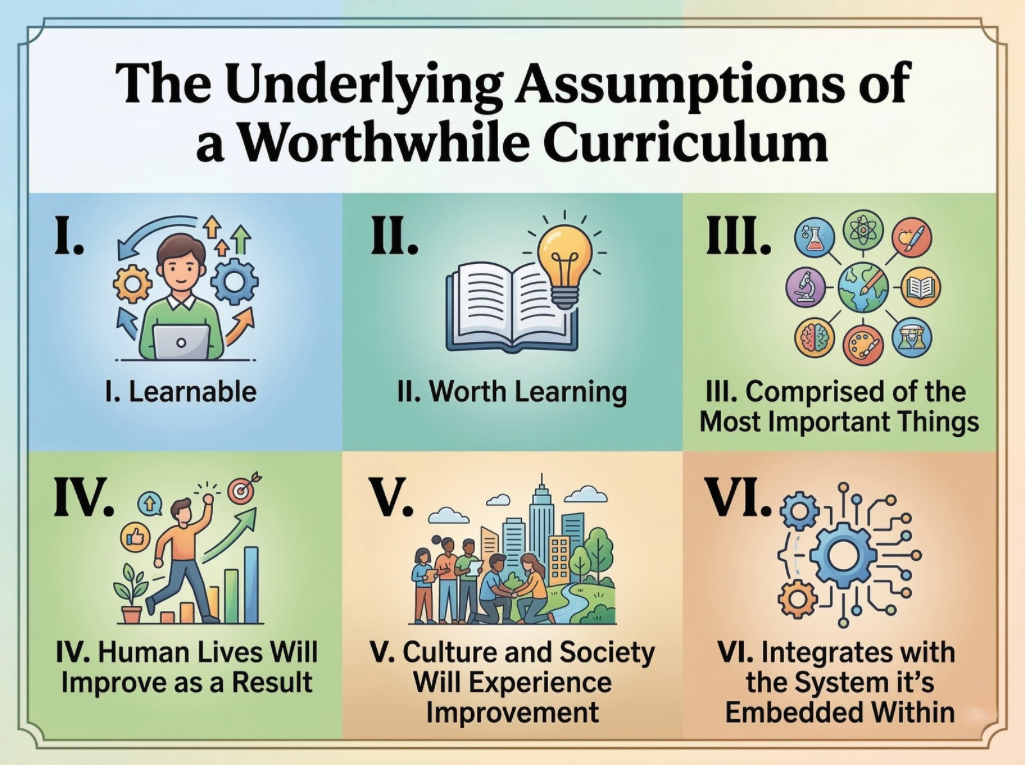
The Assumptions And Characteristics Of A Curriculum


I....   Sumber: Baca selengkapnya

Tulis ulang artikel berikut ke dalam bahasa Indonesia yang rapi, mudah dipahami, gaya formal pendidikan, minimal 300 kata:

by Terry Heick

There are ideas and then there are ideas between ideas.

The spaces between ideas can be pregnant with ideas of their own in the same way that there are stars and then there are spaces between the stars. And these spaces matter because they’re dark and dark (and its absence) characterizes light.

Okay, how about this: Every reality has factors. Every effect has a cause. Every data point has a context. You can separate these relationships in a temporary kind of singularity in order to examine them, but in doing so risk losing the thing itself because the thing doesn’t just have a context but only exists in a context.

We may fail to recognize these factors and causes and contexts, but they’re there. We may fail to extract the right lessons from these factors and realities and causes and effects and contexts and data, but they’re there, ready to be extracted.

And it’s not just about contexts and relationships. There are distinctions here too—nuanced distinctions that are not minor. The difference, for example, between causation and correlation. The difference between cause and effect but also the reality that it’s all relative (context) and recursive and non-linear. One thing ends and another begins and one causes the other and defines the other and depends on the other but are also entirely separate.

Which brings us to underlying assumptions.

That there are underlying assumptions that we ‘bring’ to a thought or decision may be more interesting than examining one set of underlying assumptions themselves, but we’re here for innovation in education, not epistemology.

Note: These aren’t in any sort of order because sometimes one needs another for context so I couldn’t, for example, leave #2 for last (as the most important) because it helped flesh out the rest and I thought #1 should be first even though it may not be the most important.

The Assumptions And Characteristics Of A Curriculum

I….


Sumber:
Baca selengkapnya

Ringkas artikel ini ke dalam bahasa Indonesia yang jelas dan formal maksimal 120-150 kata: by Terry Heick There are ideas…

Read More
Tulis ulang artikel berikut ke dalam bahasa Indonesia yang rapi, mudah dipahami, gaya formal pendidikan, minimal 300 kata: 
	
You can find a classroom-ready copy of our Anticipation Guide prompts here.


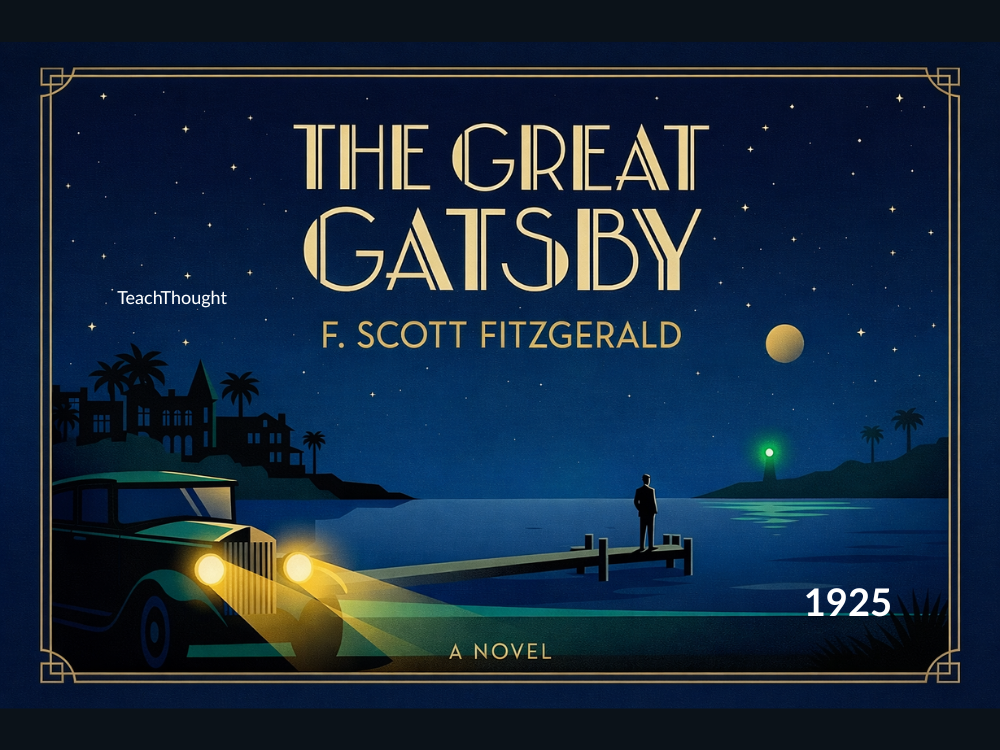
The Great Gatsby Major Characters


    The Great Gatsby Summary: Set in the decadent Jazz Age, F. Scott Fitzgerald’s novel follows the enigmatic millionaire Jay Gatsby and his obsessive quest to win back his former love, Daisy Buchanan.
  
  
    Through the perspective of narrator Nick Carraway, the story serves as a tragic critique of the moral decay and offers an engaging look at the elusive (and often illusory) nature of the American Dream.


        Character
        Short Description


        Jay Gatsby
        A mysterious, self-made millionaire entirely driven by his obsessive desire to win back his former love, Daisy.
      
      
        Nick Carraway
        The observant, Midwestern narrator who becomes entangled in the dramatic lives of his wealthy East Coast neighbors.
      
      
        Daisy Buchanan
        A charming but superficial socialite who prioritizes wealth and security over genuine love.
      
      
        Tom Buchanan
        Daisy’s arrogant and hypocritical “old money” husband who uses his wealth and power to control others.
      
      
        Jordan Baker
        A cynical, independent professional golfer who represents the modern, detached women of the 1920s.
      
      
        George Wilson
        A beaten-down mechanic living in the Valley of Ashes who is fiercely devoted to his unfaithful wife.
      
      
        Myrtle Wilson
        George’s lively wife who attempts to escape her lower-class life through an affair with Tom Buchanan.


        Anticipation Prompt
        Suggested Tone & Vibe


        People are generally honest with themselves.
        Introspective & ChallengingPushes for cynical realizations about self-deception.
      
      
        It’s easier to form opinions about things we...   Sumber: Baca selengkapnya

Tulis ulang artikel berikut ke dalam bahasa Indonesia yang rapi, mudah dipahami, gaya formal pendidikan, minimal 300 kata:

You can find a classroom-ready copy of our Anticipation Guide prompts here.

The Great Gatsby Major Characters

The Great Gatsby Summary: Set in the decadent Jazz Age, F. Scott Fitzgerald’s novel follows the enigmatic millionaire Jay Gatsby and his obsessive quest to win back his former love, Daisy Buchanan. Through the perspective of narrator Nick Carraway, the story serves as a tragic critique of the moral decay and offers an engaging look at the elusive (and often illusory) nature of the American Dream.

Character Short Description
Jay Gatsby A mysterious, self-made millionaire entirely driven by his obsessive desire to win back his former love, Daisy.
Nick Carraway The observant, Midwestern narrator who becomes entangled in the dramatic lives of his wealthy East Coast neighbors.
Daisy Buchanan A charming but superficial socialite who prioritizes wealth and security over genuine love.
Tom Buchanan Daisy’s arrogant and hypocritical “old money” husband who uses his wealth and power to control others.
Jordan Baker A cynical, independent professional golfer who represents the modern, detached women of the 1920s.
George Wilson A beaten-down mechanic living in the Valley of Ashes who is fiercely devoted to his unfaithful wife.
Myrtle Wilson George’s lively wife who attempts to escape her lower-class life through an affair with Tom Buchanan.
Anticipation Prompt Suggested Tone & Vibe
People are generally honest with themselves. Introspective & ChallengingPushes for cynical realizations about self-deception.
It’s easier to form opinions about things we…


Sumber: Baca selengkapnya

Ringkas artikel ini ke dalam bahasa Indonesia yang jelas dan formal maksimal 120-150 kata: You can find a classroom-ready copy…

Read More