Ringkas artikel ini ke dalam bahasa Indonesia yang jelas dan formal maksimal 120-150 kata: Classroom Management Strategies Classroom management strategies…
A recent Gallup poll found that three in ten teachers use AI weekly, with findings indicating improvements in the quality of certain tasks. The study also estimated that AI-supported work could amount to the equivalent of approximately six weeks of time saved over the course of a year.
Meanwhile, a RAND study found that more than half of students and teachers report already using AI in school contexts, even as formal guidance and policy have struggled to keep pace.
Amid concerns about plagiarism, bias, and the potential impact on students’ critical thinking skills, uncertainty is understandable. The question, then, may not be whether AI exists in education, but where it meaningfully fits within curriculum and assessment.
In some classrooms or contexts, integration may be limited in scope and highly intentional, emphasizing critical examination rather than routine or active use.
Several instructional domains offer starting points for this reflection. Rather than positioning AI as a solution or a threat, educators might consider how, and whether, it aligns with their instructional goals, assessment practices, and professional values.
1. Curriculum Planning and Lesson Design
Curriculum planning is one area where AI may intersect with teacher workflow, particularly during early stages of lesson design or brainstorming. Teachers may feel overwhelmed by the task, have too many ideas competing for attention, or be looking for ways to refresh familiar approaches. AI may help ease this “blank page” pressure by offering general overviews or serving as a brainstorming partner.
AI may also support more specific elements of lesson and unit planning, such as identifying alignment between…
A thoughtful, engaged student studies diligently, participates in class discussions, completes assignments on time—and then underperforms on the first major assessment.
The disappointment is visible. Sometimes the teacher feels it just as strongly as the student.
The instinctive explanations are familiar: anxiety, distraction, poor time management, lack of effort. But if this pattern repeats across classrooms and grade levels, it may point to something more structural.
What if first-time underperformance is less about student shortcomings and more about how we design learning?
If we look closely, many learning environments unintentionally reward familiarity over retrieval, coverage over coherence, and comfort over cognitive strain. Students leave review sessions feeling confident—only to discover that confidence was built on recognition, not recall.
That distinction matters more than we often admit.
The Gap Between Knowing and Being Able to Retrieve
In most classrooms, preparation looks something like this:
Students reread notes.
They highlight key passages.
They review slides.
They skim summaries.
These activities feel productive. There is visible effort. There is time invested. There is even a sense of clarity while reviewing.
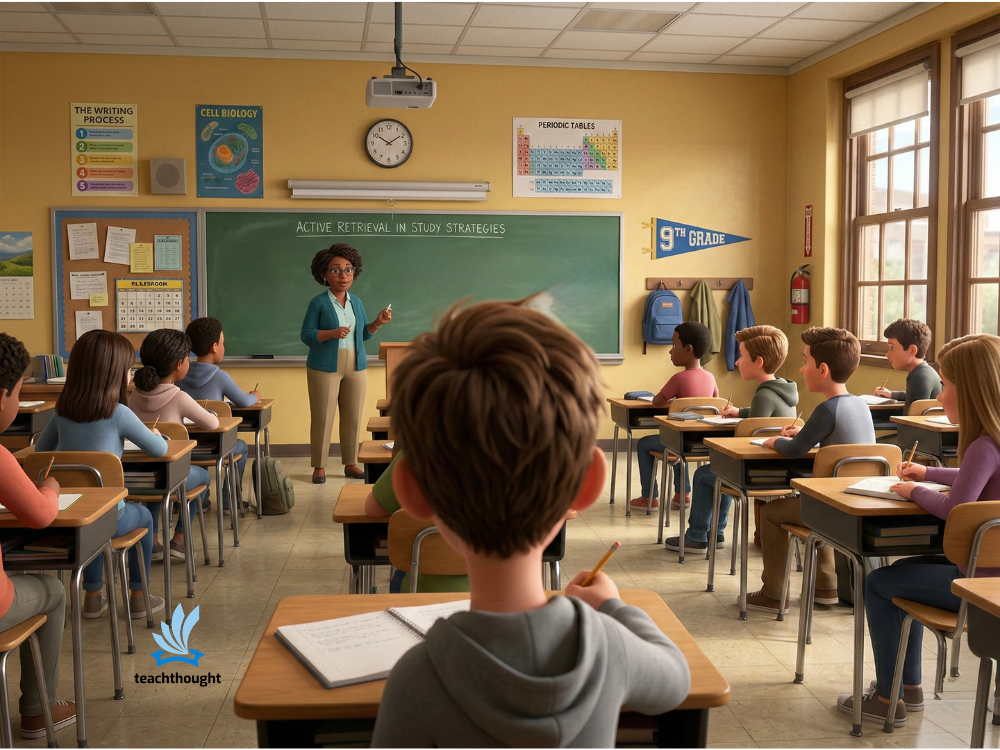
But recognition is not retrieval.
When information is in front of us, it feels accessible. When it isn’t, the experience changes. Exams and performance tasks require students to produce knowledge independently—sometimes under time constraints, sometimes in unfamiliar formats.
The problem is not that students don’t “know” the material. The problem is that they have not practiced retrieving it often enough.
In research work examining exam-readiness behaviors—including analysis conducted by the team at PrepPool studying assessment performance trends—one pattern appears…